
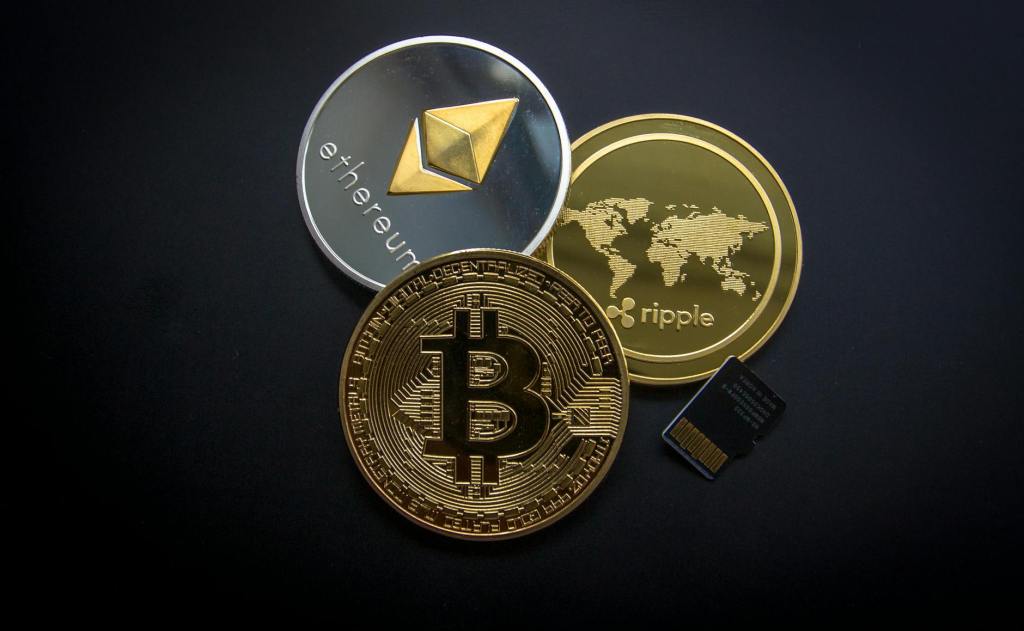
Can cryptocurrency protect your wallet from the inevitable thief we call inflation? It’s an intriguing concept. Inflation, after all, erodes your money’s purchasing power over time, like trying to buy a coffee today with yesterday’s prices and coming up short. Traditionally, inflation hedges have included commodities like gold, real estate, or bonds. But could Bitcoin or other cryptocurrencies join this exclusive club? The answer is both yes and no, and for reasons that may surprise you.
First, the case for crypto. Bitcoin has a limited supply, only 21 million coins will ever exist, meaning no one can simply create more to dilute its value. This scarcity is often compared to gold, making Bitcoin attractive during periods of aggressive central bank money printing that drive inflation. Additionally, its decentralized nature shields it from the monetary policies of any single government. In countries with hyperinflation, such as Venezuela, cryptocurrencies have provided a lifeline, offering citizens a way to preserve wealth amidst economic chaos.
That said, cryptocurrencies are notoriously volatile. Their value hinges on market sentiment, essentially the psychological perception of their worth. When investor confidence is high, Bitcoin’s value surges. But when doubts creep in, its value can plummet just as quickly. Bitcoin’s 70% decline during 2021-2022, even as inflation hit historic highs, illustrates its unpredictability. This kind of volatility makes cryptocurrencies an unreliable hedge against inflation itself.
However, crypto shines as a hedge against distrust in traditional financial systems. When banks wobble, as seen during the 2023 U.S. banking turmoil, Bitcoin’s price spiked. It acts as a refuge during moments of financial instability, drawing investors seeking an alternative to conventional systems. In this way, cryptocurrency functions more as a safety net for systemic uncertainty than a direct shield against inflation.
So, is cryptocurrency the hero we need to combat inflation? Not quite. But it can play a role in a diversified financial strategy. Think of it as a wildcard, a speculative asset to hold for those times when traditional systems falter. While it’s not a replacement for more stable inflation hedges like gold or bonds, its unique characteristics offer investors another tool in their arsenal. As always, diversification remains the cornerstone of any prudent investment strategy. Cryptocurrency may not be the silver bullet for inflation, but it’s a lifeboat worth considering when navigating uncertain economic waters.
 Aequitas Media