
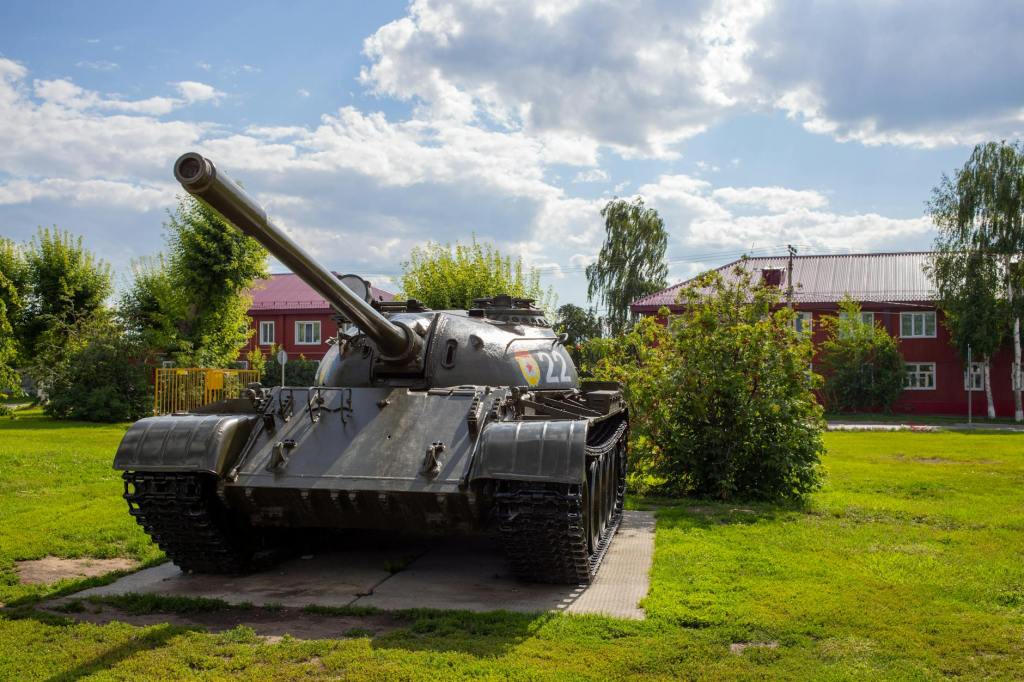
Since 2014, Russia and Ukraine have been locked in conflict, beginning with Russia’s annexation of Crimea. The invasion cost 14,000 lives, the highest toll in Europe since the Balkan Wars of the 1990s. In February 2022, Russia escalated its aggression with a full-scale invasion, not for territorial expansion but to prevent Ukraine from aligning with Western institutions like NATO and the EU. Yet, despite Russia’s apparent power advantage, the war has defied expectations, with Ukraine holding its ground. This conflict highlights the limits of traditional power in modern warfare, shaped by international alliances and the high stakes of global stability.
Power Through a Realist Lens
Realism, a key perspective in international relations, offers insight into the ongoing war. According to realist scholars like John J. Mearsheimer, power is central to state behavior, with outcomes determined by the strength and actions of primary state actors. Russia’s objectives are rooted in realist goals: avoiding NATO encroachment on its borders and maintaining influence over Ukraine. However, realism also assumes that states act rationally and strategically to preserve their own survival—a notion Russia’s erratic behavior has challenged.
Russia’s invasion has failed to secure its goals for several reasons. First, Ukraine has garnered extensive international support. NATO members and other Western states have supplied Ukraine with military aid, financial resources, and sanctions against Russia. This collective support significantly undermines Russia’s efforts and highlights the power imbalance created when alliances outweigh unilateral aggression.
Ukraine’s Global Backing
Ukraine’s position in the conflict has garnered sympathy and practical support from Western nations. Russia’s aggression has left it diplomatically isolated, with minimal assistance from its allies in the Eurasian Economic Union (EEU). Countries like Belarus and Kazakhstan lack the military and economic weight to influence the war. Conversely, Ukraine benefits from substantial backing from NATO members, including the United States, France, and Great Britain, who have supplied advanced weaponry, intelligence, and humanitarian aid.
Additionally, Russia must tread carefully to avoid provoking a direct NATO response. With four NATO states bordering Ukraine—Poland, Slovakia, Hungary, and Romania—the risk of escalation into a broader conflict remains high. This delicate balance of deterrence and indirect support has left Russia unable to deploy its full military strength without risking catastrophic retaliation from NATO powers.
Global Repercussions
The war’s impacts extend far beyond Europe, particularly in food and energy markets. Both Ukraine and Russia are critical exporters of wheat, with nations like Egypt, Lebanon, and Tunisia heavily reliant on Ukrainian grain. The conflict has disrupted supply chains, leading to rising food prices and potential famine in developing nations. Similarly, the invasion triggered global fuel price spikes, adding to economic instability.
These consequences place additional pressure on Western states to support Ukraine while avoiding direct confrontation with Russia. Sustained disruptions to food and energy markets could exacerbate global crises, forcing more nations to align with Ukraine to stabilize these vital systems.
Paths to Resolution
Potential solutions to the conflict remain divisive. From a realist perspective, deterrence and continued Western support are the most viable strategies. Supplying Ukraine with advanced technology, such as cyber capabilities, while maintaining sanctions on Russia could weaken Russia’s position without escalating the conflict into a broader war. The ultimate goal for Ukraine’s allies is to force Russia into a retreat, as outright military defeat appears improbable.
On the other hand, idealist solutions, such as negotiations, face significant obstacles. Russia’s history of corruption and irrational decision-making undermines the possibility of meaningful agreements. As political theorist John G. Ikenberry notes, liberal internationalism relies on cooperative security, shared sovereignty, and the rule of law—principles incompatible with Russia’s actions in Ukraine.
Conclusion
The war in Ukraine demonstrates that traditional measures of power are insufficient in determining outcomes in modern conflicts. Russia’s attempts to dominate Ukraine have been thwarted by the collective strength of Western alliances and the high costs of escalating violence. To ensure Ukraine’s survival and stability, Western states must maintain their support while deterring further aggression. As history has shown, unchecked expansionism leads to greater instability. Russia’s ambitions in Ukraine cannot succeed without severe consequences, both for itself and the world.
 Aequitas Media